
Live, in-person classes in London
Real game development for kids
In-person classes where kids design, build, and publish their own video games in GameMaker, a real professional game engine. Classes run weekly in London, and every session is recapped right here.
- Built in GameMaker
- Finished, shareable games
- Small-group classes

How it works
Weekly in-person classes, one concept at a time.
Live, interactive teaching means immediate help on every new concept. Skills build step-by-step, and every course adds up to a complete, playable game.
Join a Class
Enrol through the City of London courses website and join a friendly, in-person class each week. Small groups mean kids get real-time attention on every concept.
Build a 2D Action-Adventure Game
Each course builds a top-down, Zelda-style adventure. Kids design heroes and NPCs, shape levels and storylines, and add sound, all in real GameMaker workflows. They customize the game into their own world as the parts unfold.
Stress-Free Class Recaps
After every class, kids and parents get a link to a recap page with a written summary, images, downloadable assets, the project files needed to catch up, and extra challenges for kids who want to keep building mid-week.
Publish and Keep Growing
Each course ends with a fully playable game kids can share with family and friends. Courses are modular with built-in checkpoint files, so kids can pick up cleanly after a missed class, jump ahead to a topic that excites them, or keep building their world in the next course.
What you'll make
A real 2D adventure, built one concept at a time.
Every course adds to one complete game in GameMaker: a 2D top-down, Zelda-style action-adventure. Here is what goes into it.
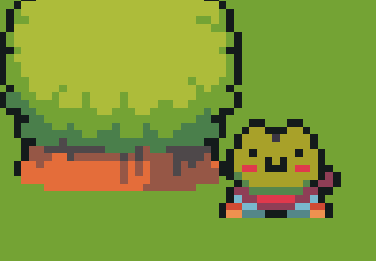 StarterVillagePlayer 1 ready
Build the adventure
Every game needs a good story.
- A customizable hero
- Dialogue boxes for NPCs
- Triggers that move the story forward when it should
- Inventory to collect and use items
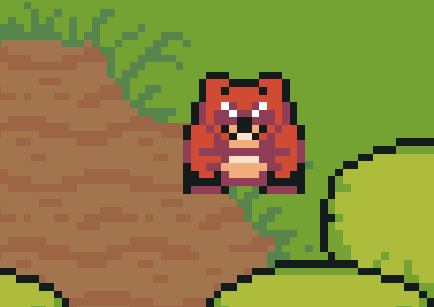 StarterVillageRun away!
Master the action
What's a game without some action?
- Monsters to challenge your hero
- Health bars where every hit counts
- Traps and hazards to keep players on their toes
- Bosses for epic showdowns
Share your game
At the end of every course you can optionally share your creation online for friends and family to experience.
How I build
Why  ?
?
GameMaker is the ultimate sweet spot for aspiring game developers. It bridges the gap between basic block-coding platforms (like Scratch) and overwhelming 3D engines (like Unity or Godot), letting kids start creating real games on day one.
- Built by indie hits.Undertale, Hotline Miami, and Hyper Light Drifter were all made in GameMaker. Kids learn the same professional tool used to create games they already know and love.
- Real code, made approachable.Students work with real GameMaker code from the start. I provide working examples, then teach them how to read, modify, and build on them with confidence.
- 2D focus, creativity first.Skipping the complexity of 3D lets students spend more time designing worlds, creating art, telling stories, and building fun gameplay.
- Fun on screen, fast.The path from opening the editor to a playable game is short. Students see results quickly, stay motivated, and spend more time creating.
- Free to keep creating.GameMaker is free to download, so students can keep building and experimenting between classes. They only pay if they choose to sell a game commercially someday.
What I teach
My courses
Two ways to begin! Your learner can try the four-class starter course to see if game development is a good fit, or dive straight into The Hero's Village (Part 1), the first of four six-class courses that build into one big adventure.
The Quick-Start Course
A short, hands-on mini-course. The perfect way for your learner to discover if game development is for them.
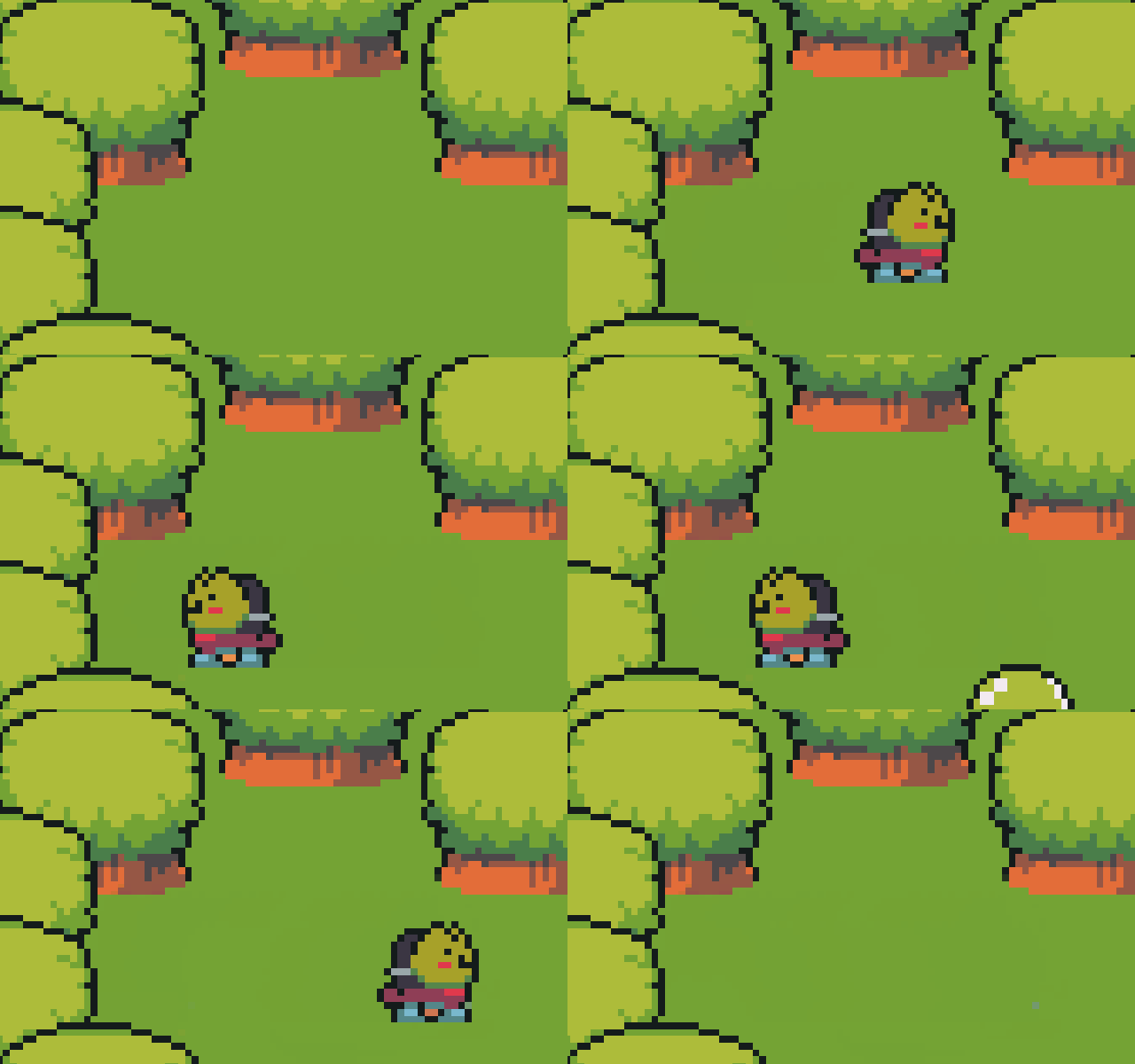
Make Your First Mini‑Game
4 weeks · 4 classes
Try game development in four fun classes! Your learner designs a hero, builds a forest world, adds an enemy to defeat, then publishes their finished game online to share.
Four courses, one big game
Begin at Part 1; new parts are coming soon.
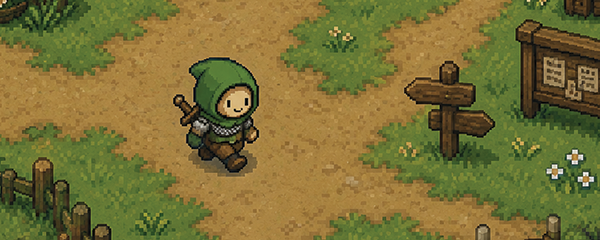 Coming soonPart 1Coming soon
The Hero's Village
6 weeks · 6 classes
Build a living village! An animated hero who walks and swings a sword, villagers to talk to, and a camera that follows the action.
Preview the course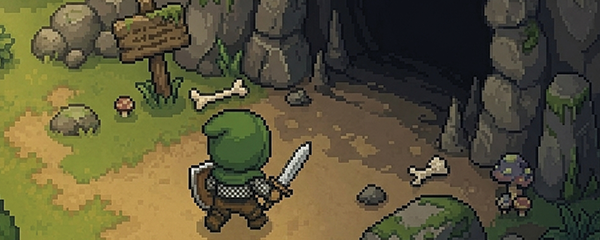 Coming soonPart 2Coming soon
Into the Dungeon
6 weeks · 6 classes
Head underground for danger and treasure! Enemies that chase, a hearts-based health system, coins to collect, an inventory, and a locked door that needs a key.
Preview the course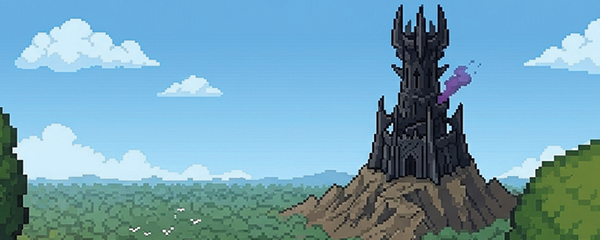 Coming soonPart 3Coming soon
The Boss's Tower
6 weeks · 6 classes
Climb the tower for the final showdown! A multi-phase boss fight, a save system, and a victory sequence that completes the whole adventure.
Preview the course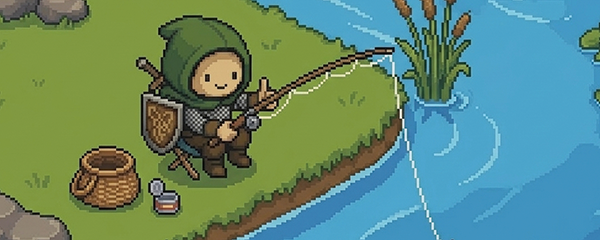 Coming soonPart 4Coming soon
Your Own Adventure
6 weeks · 6 classes
Make it your own! Bring in your own art, tiles, sound, and music, polish the game until it shines, and add one advanced feature of your choice.
Preview the course
What to expect
How classes feel, and where everything lives.
Small, in‑person classes
Taught live in London, so every learner gets real attention.
Recaps and files in one place
Class summaries, project files, and extra challenges live right here on this site, ready for whenever you need them.
Patient, steady pacing
One new concept per class, with room to practice each step of the way.
A typical class
- Warm upWe start with a quick look back at what everyone built last week.
- One new conceptI introduce one new idea, live and step by step.
- Build timeYour learner builds it into their own game, and I'm right there to help.
- Wrap upWe save our progress, and the class recap lands right here on the site.
Ready when you are
See you in class.
Enrolment and scheduling are handled through the City of London courses website, where you found me. Everything for class lives right here: recaps, project files, and a quick setup guide.